
Boat Purchase and Selection: Determining Needs Accurately

The first step in the boat purchase and selection process is to clearly define your needs. The purpose for which you will use the boat is critically important for making the right choice. Fishing, leisure cruising, water sports, or long-distance voyages require very different types of boats. For example, boats with ample storage space and open deck areas are preferred for fishing, while yachts with more comfortable cabin structures are chosen for long journeys. Additionally, factors such as how many people you will use the boat with, whether you will travel for a day or overnight, also influence the selection process. Your frequency of use and the sea conditions in your region should also be taken into account. This will make it easier for you to own a boat that is both safe and meets your expectations. You can research related online companies on their web pages to get information on this topic and ask any questions you may have, and conduct a detailed review from there.
Boat Purchase and Selection: Evaluating Technical Specifications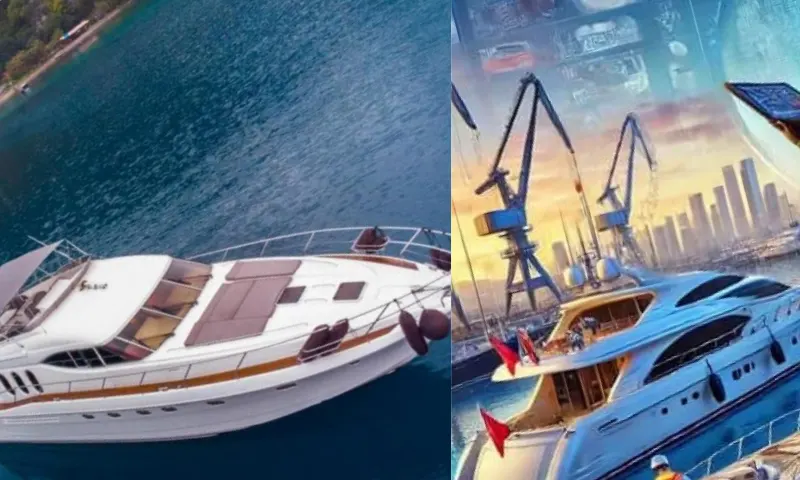
Technical specifications must be carefully examined during the boat purchase and selection process. Engine power, hull structure, fuel consumption, and material quality are decisive factors for long-term use. While fiberglass boats are popular for their light and durable structure, aluminum boats are preferred for their robustness. If you plan to travel long distances, twin-engine systems will be safer. The engine's brand, history, maintenance status, and performance must be thoroughly inspected. Those purchasing a second-hand boat should have the hull's underside, electrical systems, and plumbing checked by an expert surveyor. Furthermore, as the boat's length increases, so does the difficulty of handling it, so determining a model that suits your experience level is the most appropriate step.
Boat Purchase and Selection: Budget Planning and Final Checks
Boat purchase and selection are based not only on technical details but also on proper budget planning. In addition to the purchase price of the boat, annual maintenance costs, marina fees, insurance expenses, and fuel consumption all contribute to the total cost. Therefore, long-term expenses should be considered when planning the budget. During the purchase phase, the boat's documents, registration, service records, and previous ownership information must be checked. Taking a test drive is extremely valuable for understanding the boat's performance. Steering control, engine sound, vibration status, and overall sense of balance will help you make the right decision. Once all these steps are completed correctly, owning a reliable boat that meets your needs becomes much easier.