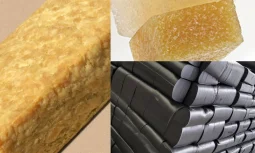
How is PAC R Produced?

What are the Differences Between PAC R and Other Chemicals?
PAC R is a substance obtained by chemically modifying cellulose. In the production process, raw cellulose obtained from natural cellulose sources is converted into PAC R through various chemical processes. During this process, the structure of the cellulose molecule is modified with anionic (negatively charged) groups, which increases the solubility of cellulose in water. In the production process, the final product is obtained by ensuring that cellulose reacts under specific conditions. Maintaining purity and quality is extremely important in the production of PAC R, as it must comply with quality standards when used in industrial and food sectors. You can visit the web address https://aciselsan.com.tr/urunlerimiz/sondaj/ for detailed information about PAC R.
What are the Industrial Uses of PAC R?
PAC R has unique properties compared to other chemicals. Its easy solubility in water and its ability to provide viscosity control make it a preferred substance in many applications. The polymer structure of PAC R provides better stability and thickening effect in liquids. When compared to other additives used during oil drilling, the structure of PAC R is more effective and stable in controlling the viscosity of liquids. Its non-toxic nature and lack of environmental harm make it a more environmentally friendly option than other chemical thickeners. Therefore, the preference rate of PAC R in industrial applications is quite high. PAC R is widely used in various industrial fields. In the oil and natural gas industry, it is preferred especially to increase the viscosity of drilling fluids and to control fluid loss. This substance maintains the stability of the mud during the drilling process and makes the drilling process more efficient. Its use is also present in the food industry. This substance, which is used especially as a thickener, stabilizer, and emulsifier in food products, improves the structure of the products and extends their shelf life.