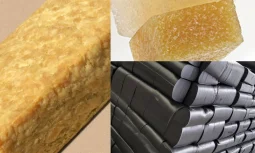
The Basic Stages of Yarn Production: From Raw Material to Finished Product
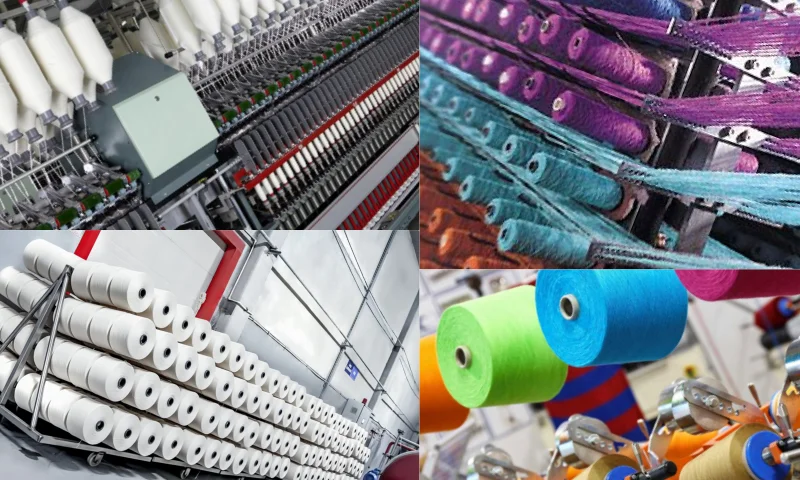
Yarn production is a complex and carefully planned process. The first stage is raw material selection. Different fibers such as cotton, wool, and polyester can be used in yarn production. After raw material selection, the stage of cleaning and arranging the fibers comes. In this step, the fibers are purified from dirt and other unwanted substances. Then, the fibers are made into yarn. In this stage, the fibers are brought together and long, durable yarns are created with the help of yarn machines. Finally, the resulting yarns are packaged for use or subjected to further processing to be transformed into the finished product. Yarn production, by going through these basic stages, ensures the obtaining of high-quality and durable yarns.
Technological Advancements in Yarn Production: Automation and Quality Control
Yarn production has undergone a great transformation with technological developments. Automation plays a significant role in increasing efficiency and optimizing quality control processes in yarn production. Automatic yarn machines precisely combine fibers and produce yarns of the desired thickness. Furthermore, computer-aided quality control systems are used to improve the quality of the final products. These systems maintain production standards by checking color consistency, yarn durability, and other important characteristics. Technological advancements contribute to the yarn industry becoming more competitive and sustainable.
Sustainable Yarn Production: Environmental Consciousness and Innovative Materials
In recent years, the yarn industry has undergone a significant change by seeking sustainability-focused solutions. While the use of recycled materials is increasing to reduce environmental impacts, innovative production methods are also emerging. Some companies try to reduce their environmental footprint by adopting water-saving production processes. Additionally, the preference for organic and natural fibers also contributes to sustainable yarn production. These approaches are promising steps towards the yarn industry operating in a more environmentally friendly and ethical manner in the future.
Yarn production, although a complex process, is continuously evolving with technological advancements and sustainable practices. This contributes to the industry becoming more efficient, high-quality, and environmentally conscious.