
What is a PLC?
Advantages of Using a PLC
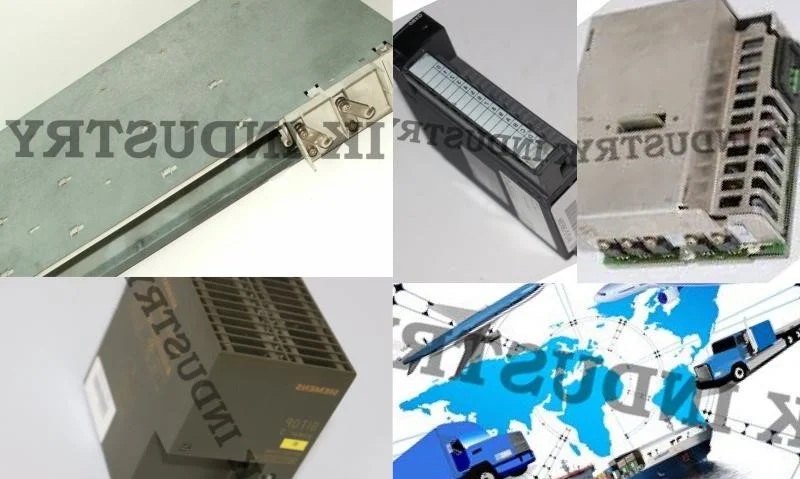
These systems, translated into Turkish as programmable logic controller, have become indispensable for modern factories. PLC, which allows all electronic and computerized devices and machines on a production line to be managed from a single center, thus ensures that production runs continuously without interruption. Especially with the developing technology in recent years, most of the machines used in industrial areas have become computerized and intelligent. Due to the interconnection of these machines and the fact that a fault in one can affect the entire production, PLCs began to be used intensively. You can easily access the PLCs and much more that you need for your facility from our site. In this way, both production and the condition of the machines are monitored, and potential disruptions can be prevented.
How Does a PLC Work?
The effort to produce more with less labor, which began with the industrial revolution, took a different turn with the development of technology as we approached the present day. While in the past almost every machine had a driver or controller, today, with the development of PLC technologies, the labor requirement on the production line has decreased to almost zero. PLCs are very suitable for use in industrial fields because they show a high level of resistance to seasonal and environmental conditions.
First produced in 1968, PLCs appeared as primitive automation devices at that time. Continuing to develop, PLC systems, like computers, consist of processors, RAM, and communication modules. Thanks to these modules and the processor, inputs from machines are read and recorded in memory. These data are processed according to the loaded program, and feedback is sent to the machines about what they should do. In this way, while the production line operates without interruption, users can also track the speed and manner in which production is proceeding through some indicators on it.