
Snow Boot Selection: A Winter Preparation Guide
Thermal Insulation and Temperature Rating
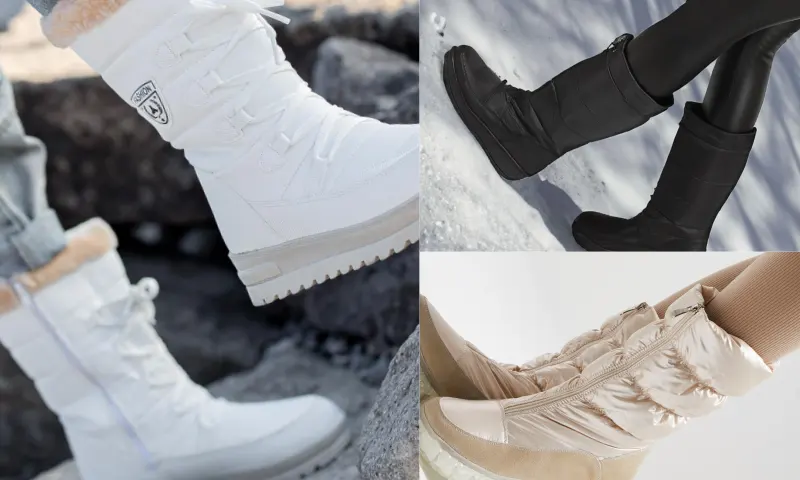
One of the most important factors in choosing snow boots is the material. Waterproof and durable materials protect your feet from snow, ice, and cold weather conditions. Snow boots made of waterproof materials, typically leather or synthetic, keep your feet dry and warm. Additionally, well-sealed seams are important for waterproofing. Technological materials like GORE-TEX can also be preferred as they are both waterproof and breathable. Keeping your feet warm during winter months is critical for a comfortable experience. The insulation materials used in snow boots should have properties that retain warmth while also being breathable. Lightweight and effective insulation materials such as Thinsulate provide protection against low temperatures. When choosing shoes, it is important to opt for boots rated according to the ambient temperature to ensure proper temperature control.
Sole Design and Slip Resistance
The sole design of snow boots is a critical element for ensuring safe walking on snowy and icy surfaces. Deep and patterned soles increase slip resistance and provide better grip on snow. Leading sole technologies like Vibram offer both durability and effective slip resistance. The flexibility of the shoe sole adapts to natural walking movements and increases comfort. When choosing snow boots, it is important to consider factors such as material quality, waterproofing, insulation properties, temperature rating, and sole design. The right choice of snow boots will help you enjoy outdoor activities more by keeping your feet warm and safe in the cold and challenging conditions of winter.