
What is Inspection in Construction?

Inspection in construction refers to the control of all processes from the project stage to completion of a building in terms of technical, legal, and safety aspects. These inspections aim to control the quality of materials used, the compliance of applications with the project, and adherence to occupational safety rules. The emergence of healthy and safe buildings is only possible with a correct and regular inspection process. Thanks to inspection in construction, faulty applications are detected at an early stage, and major problems that may arise in the future are prevented. This situation both reduces costs and extends the life of the building. For information on this subject and to ask your questions, you can look at the relevant online companies on the internet pages and examine them in detail from here.
How Does the Inspection Process in Construction Proceed?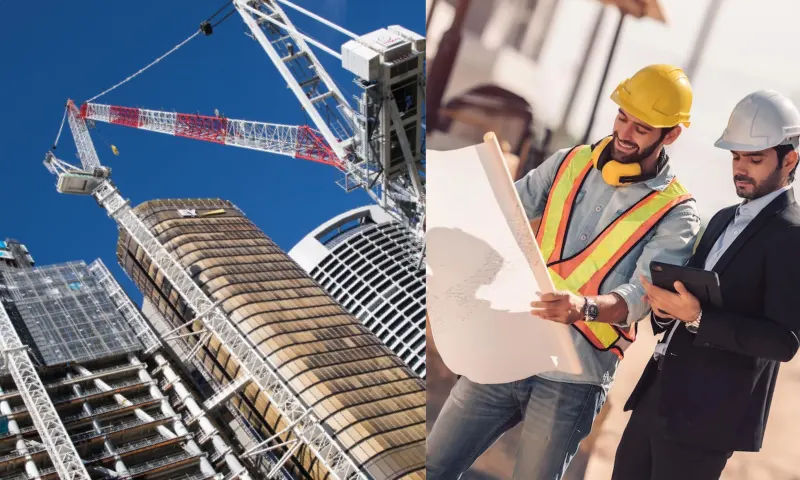
The inspection process in construction begins with project and permit controls. In the first stage, the compliance of architectural, static, electrical, and mechanical projects with legislation is examined. Then, critical stages such as site setup, excavation, and reinforced concrete manufacturing are regularly inspected. During the inspection, concrete pouring, rebar reinforcement applications, formwork systems, and construction materials used are checked in detail. At the same time, occupational safety measures are of great importance for the safety of employees. The use of necessary equipment and adherence to safety rules on the construction site are also within the scope of inspection. As the construction process progresses, the rough construction, finishing works, and installation applications are also checked separately. Thus, when the building is completed, a result that complies with the project, regulations, and quality standards is achieved.
The Importance and Advantages of Inspection in Construction
Inspection in construction, in addition to ensuring building safety, offers many long-term advantages. Thanks to regular inspections, building defects are minimized, and potential risks are detected in advance. This situation ensures the construction of more durable buildings, especially against natural disasters such as earthquakes. Furthermore, inspection provides financial security for investors and building owners. Early detection of faulty applications prevents costly renovations later on. At the same time, legal problems are minimized by ensuring compliance with legal legislation.