
What is Glaucoma and How Does it Occur?
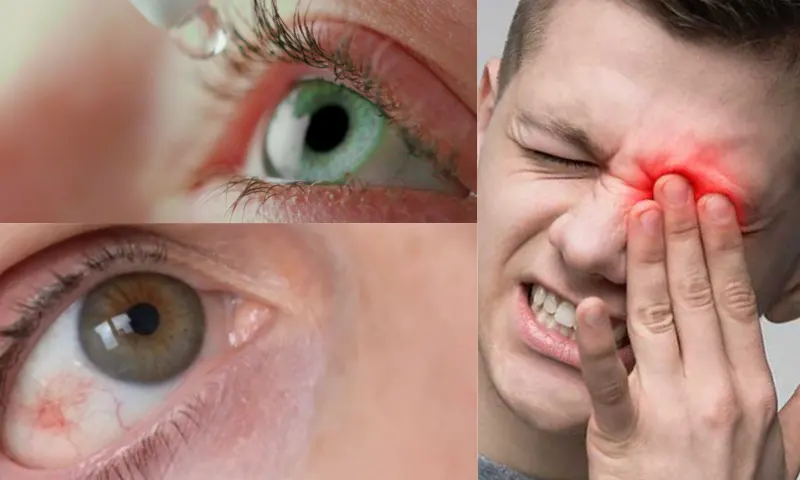
Glaucoma, medically known as glaucoma, is a serious eye disease that occurs when intraocular pressure rises above normal levels. The fluid constantly produced inside the eye is drained in a balanced way in healthy individuals. However, when the outflow of this fluid is obstructed, intraocular pressure increases, and glaucoma occurs. High pressure can damage the optic nerve over time, leading to permanent vision loss. Glaucoma is generally a silently progressing disease and may not show obvious symptoms in its early stages. Therefore, regular eye examinations are of great importance for the early diagnosis of glaucoma. Individuals with a family history of glaucoma are at higher risk. You can look at related online companies on internet pages to get information on this subject and ask your questions, and review them in detail from here.
Symptoms and Diagnosis Process of Glaucoma
Glaucoma can be difficult to detect as it often progresses silently. In later stages, symptoms such as narrowing of the visual field, blurred vision, seeing halos around lights, and eye pain may occur. Headaches and nausea may also accompany glaucoma in some individuals. The diagnosis of glaucoma is made through detailed examinations by an ophthalmologist. Measurement of intraocular pressure, visual field tests, and optic nerve evaluations form the basis of the diagnostic process. When glaucoma is diagnosed early, the progression of the disease can be largely controlled. Therefore, regular eye check-ups should not be neglected, even if there are no complaints.
Treatment of Glaucoma and Its Effect on Quality of Life
The aim of glaucoma treatment is to protect the optic nerve by lowering intraocular pressure. The treatment process usually starts with eye drops. These drops reduce the production of intraocular fluid or facilitate the outflow of fluid. In advanced cases, laser treatment or surgical methods may be preferred. Glaucoma treatment requires regular and continuous monitoring. Neglecting treatment can increase the risk of vision loss. With proper treatment and lifestyle adjustments, patients can continue their daily lives without problems. Stress management, regular sleep, and healthy nutrition are also among the supporting factors for individuals living with glaucoma. Early diagnosis and conscious treatment are vital for preserving eye health.