
What is Healthy Eating?

Healthy eating is a lifestyle that aims to consume all the nutrients the body needs in a balanced way. This includes many important goals such as healthy weight management, providing adequate energy, preventing diseases, and improving overall health. Healthy eating is not just about consuming certain foods, but also about consuming these foods in the right proportions and regularly. For this, a balanced diet should include carbohydrates, proteins, fats, vitamins, minerals, and water. Scientific research has revealed that the healthy eating needs of each individual are personal and can vary depending with genetic factors, age, gender, and lifestyle. For information on this subject and to ask your questions, you can look at the relevant online firms on the internet pages and examine them in detail here.
Benefits of Healthy Eating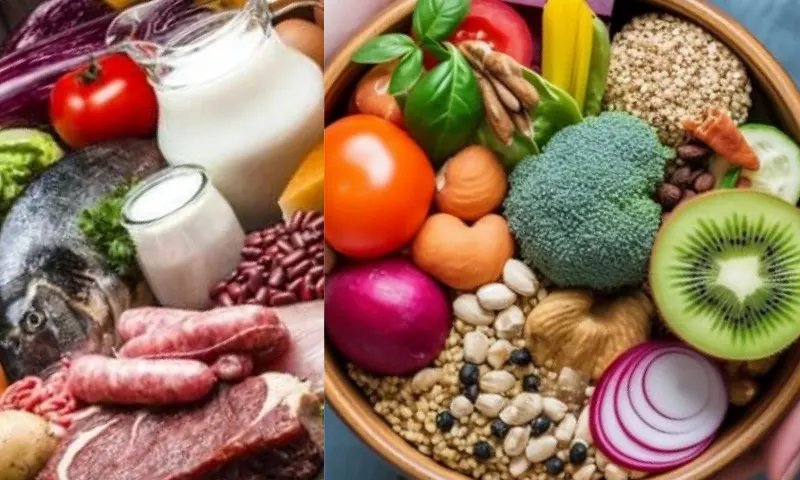
The benefits of healthy eating are endless. Firstly, a balanced diet increases energy levels and provides strength for daily activities, as it provides the body with all the necessary nutrients. Eating healthy regularly protects the body against diseases. For example, foods rich in antioxidants strengthen the immune system, while omega-3 fatty acids support heart health. Healthy eating helps with weight management by balancing metabolism. It is also extremely important for digestive system health; fiber-rich foods contribute to the regular functioning of the digestive system. In the long term, healthy eating reduces the risk of serious health problems such as cancer, diabetes, and heart disease. Another important benefit is its effect on mental health. Research shows that healthy eating improves mental states such as depression and anxiety. This reveals that healthy eating supports not only physical health but also mental and emotional health.
Tips for Healthy Eating
Small but effective steps can be taken to start healthy eating. The first step is to avoid processed foods and excessively sugary and salty foods. Instead, it is necessary to turn to fresh fruits and vegetables, whole grains, healthy fats (such as olive oil, avocado, nuts), and quality protein sources (fish, chicken, legumes). Another important tip is portion control. Eating slowly and understanding the difference between hunger and fullness prevents overeating. Water consumption is also very important; drinking at least 8-10 glasses of water a day maintains the body's water balance and ensures that cells function healthily. Finally, healthy eating should be made a lifestyle. Consuming healthy meals at regular intervals provides the most effective results when supported by physical activity. Gradual changes will bring long-term success. Healthy eating is an approach that positively affects not only physiological but also psychological health. Providing the body with valuable nutrients forms the basis of a longer, healthier, and happier life.