What is International Transportation?

International Transportation Processes and Documents
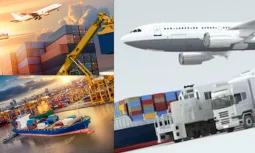
As trade crosses borders today, great changes are also occurring in the field of logistics. For more information about international transportation, you can visit https://www.nasainternational.com.tr/hizmetler. This concept refers to the process of transporting goods and services between different countries. This type of transportation, which is the backbone of international trade, ensures that trade happens effectively and quickly on a global scale. It is the transportation of goods from the border of one country to another. This transportation is carried out by various methods such as sea, air, road, and rail. The method used depends on factors such as the type of good, the need for speed, and cost. Combined transportation is also becoming widespread, thus optimizing logistics processes by using different types of transport together.
International Transportation Advantages and Challenges
International transportation is not just about the physical transport of cargo. It also includes customs procedures, international trade rules, and the process of preparing the necessary documents. Transportation is not possible without documents such as invoices, bills of lading, and certificates of origin. The question of what is international transportation also means the effective management of this complex process. International transportation offers companies access to new markets while providing a competitive advantage with cost-effective solutions. However, challenges can also arise due to the regulations of different countries, customs procedures, and differences in logistics infrastructure. Therefore, it is important to work with experienced logistics companies in international transportation. The question of what is international transportation is not just a cargo transportation operation, but a complex and multi-stage part of global trade. With proper planning and expert support, this process can be carried out both efficiently and smoothly. We should also not forget digital tracking systems. With GPS and logistics software, real-time tracking of cargo is possible, thus increasing the transparency of the process and allowing for intervention by detecting possible delays in advance.