Who is Hacı Bekir? Life and Biography
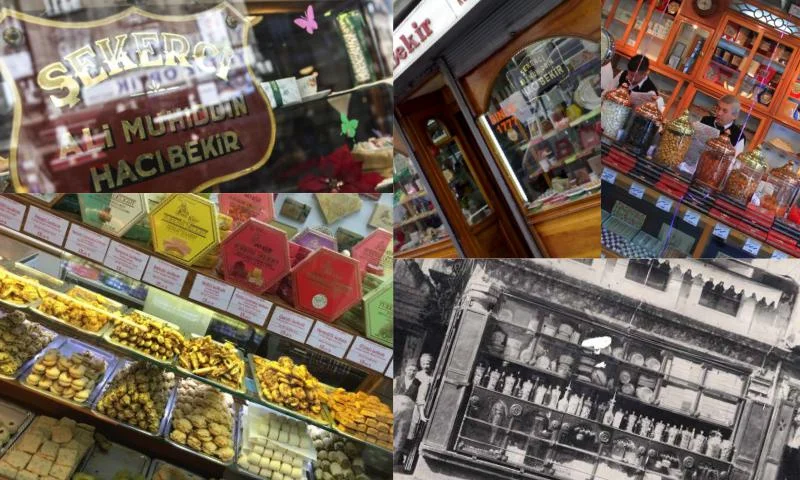
Sugar production in our country, which began in the 16th century, used honey and molasses as sweeteners, and flour as a binder and filling material. With the introduction of sugar to Turkey, which began to be produced in Europe from the 18th century onwards, Hacı Bekir started to produce rock candies with natural fragrances and flavors by grinding and dissolving this sugar with rose, cinnamon, etc. in mortars. Later, he produced Turkish delight of that natural and perfect taste by using starch instead of flour. Due to these features and contributions, we can call Hacı Bekir the master of Turkish and World Confectionery.
Turkish Delight (Türk Lokumu)
Confections taken from Hacı Bekir's shop in Bahçekapı and brought to Europe led to their introduction in Europe as "Turkish Delight" by an English tourist. Hacı Bekir, who gained rightful fame with the productions he made with his own hands and new varieties of confectionery, was deemed worthy of appreciation by the Sultan of the time, and was later awarded and known as the confectioner of the palace.
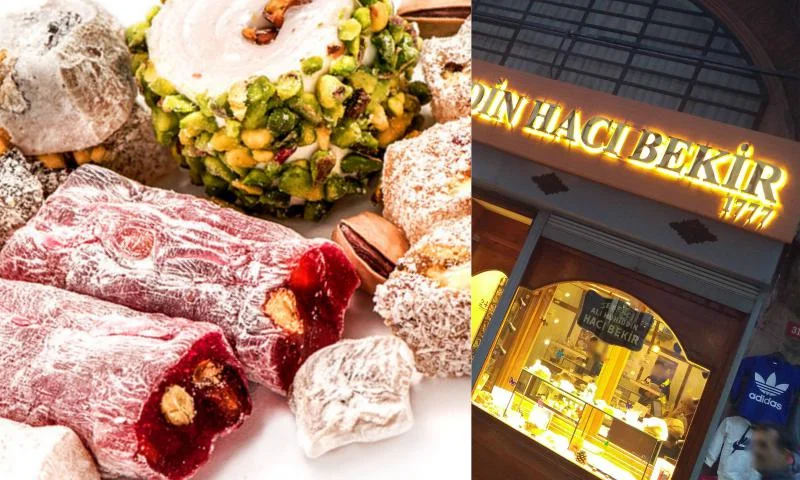
After Hacı Bekir, his son Mehmet Muhiddin Efendi and grandson Ali Muhiddin continued their work in this field by following in the footsteps of their masters. The Ali Muhiddin Hacı Bekir institution, bearing the name of three generations who stepped into confectionery, operates in many parts of the country and the world, especially in Istanbul. Hacı Bekir Turkish delight or confection has gained considerable fame and trust in many parts of the world, especially in Europe.